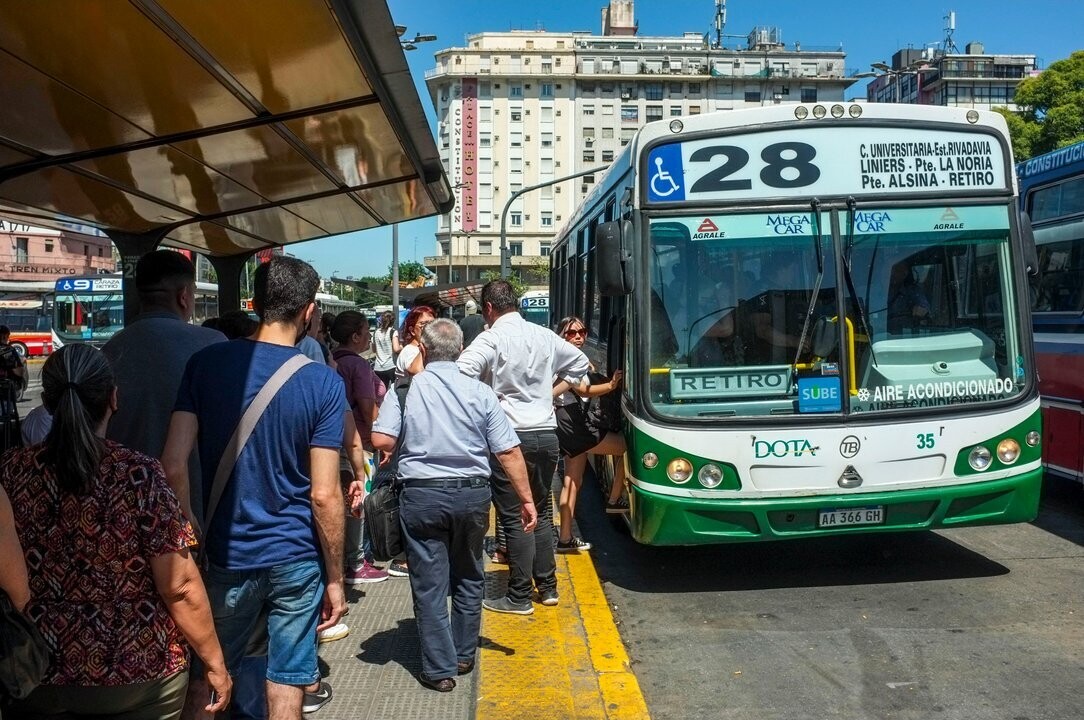
Thousands of public transport users will be affected again this Wednesday due to the irregular operation of numerous bus lines, which will continue to run with reduced service. Despite the recent agreement with the National Government, the underlying situation remains unresolved. The business sector confirmed that while the partial payment of subsidies brought some relief, the core issue is not fixed. The system remains conditioned by a lack of funding, which directly impacts the frequency of units. The Ministry of Transport will meet with sector business chambers on Thursday at 11:00 to discuss the matter. The sector was criticized for its decision to reduce bus circulation by 30% in the AMBA, causing significant delays and complications for passengers. "We are paying and meeting," stated spokespeople from the ministry. The head of the company Dota, Marcelo Pasciuto, stated that "the transport system is collapsing" and demanded the payment of delayed subsidies, complicating the company's financial management and payroll payments. He warned that the only ways to maintain service are "for banks to provide an overdraft at a very high cost to the company" or to wait for the cooperation of drivers to "work tomorrow without pay until the money is credited." In contrast, he highlighted that in the jurisdiction of the City of Buenos Aires, services are operating at "100%" with recognized costs. Pasciuto also detailed the impact of operational costs on the sector's crisis, noting that the price of fuel reached $2150 per liter in February and there were supply problems, as the input was mostly supplied by YPF while other oil companies "did not deliver" product. "They are not managing to cover the arrears, and to that, we must add the cost difference and the fuel increase that went up 700 pesos in 15 days," he said. For this reason, Pasciuto stated that they will continue with the reduced bus frequency on Wednesday until they are paid what is owed. He also emphasized that the crisis originated when the scheme was divided into three jurisdictions in September 2024, and since then, what corresponds to the national and provincial levels is "totally disarticulated." Pasciuto denounced a "lack of management by both the Nation and the Province" in handling budget items. In response to the government's promise to deposit the subsidies in the coming hours, he replied: "I was told that they are going to deposit a part, half of what was owed." The Ministry of Transport stated that this Wednesday it will transfer the national subsidies to the bus companies, but the reduction in frequencies recorded in the AMBA will remain because they consider the amount they will receive does not cover the entire debt. "Tomorrow the national subsidies to the companies will be paid, on the fourth business day of the month. It depends on them (that regular services are restored and the threats of a strike for Wednesday are lifted)," the statement read.